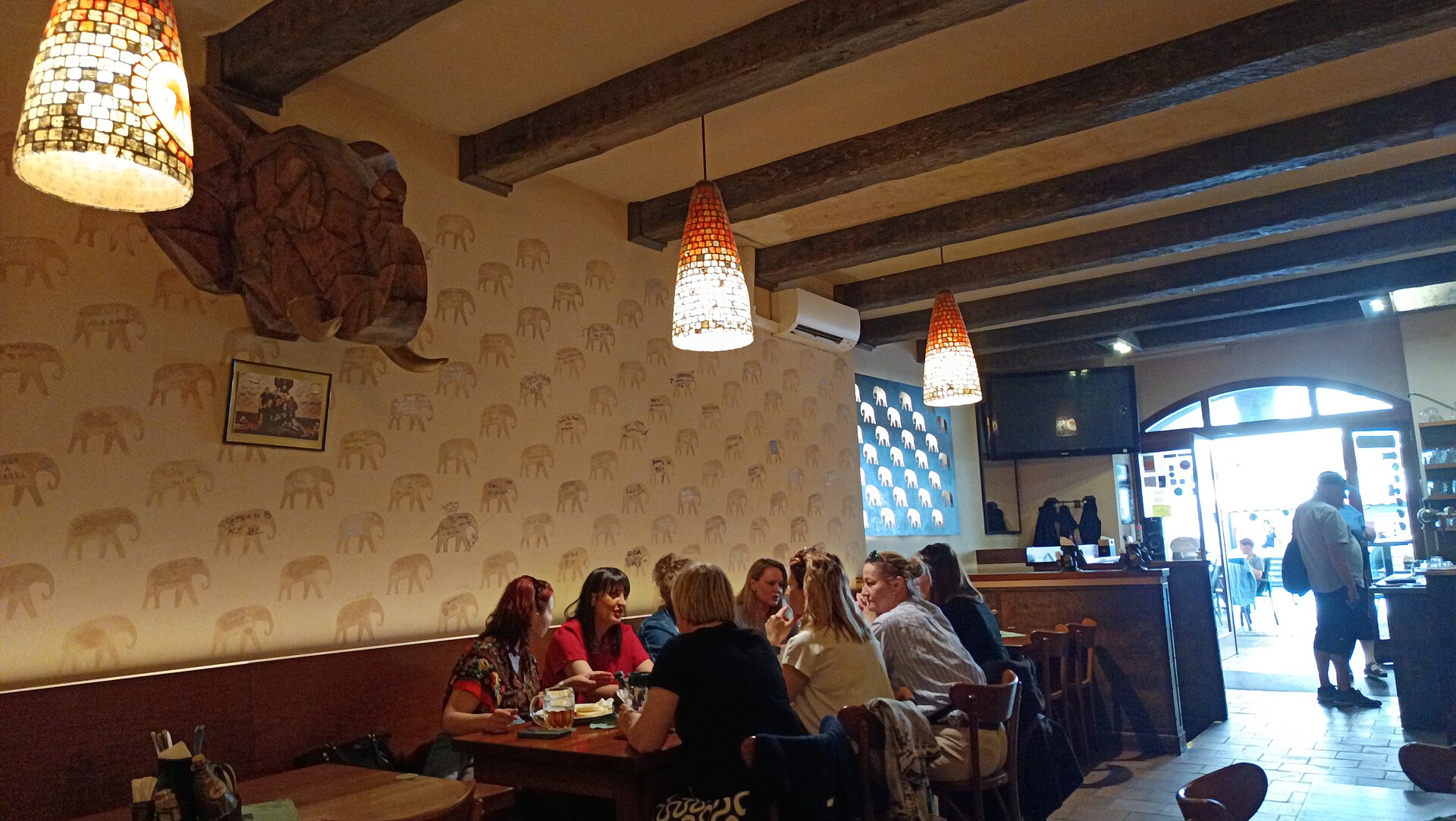
A Czech pub, or hospoda, runs on a tab system, not a counter. A server opens a paper slip at your table when the first drink arrives, marks each round and dish on it as it’s served, and totals it only when you ask. You pay that server directly, in cash or by card, at the end.
How does the paper tally actually work?
Every drink and dish gets a tick, a tally mark, or a short code on a small paper slip left on the table. It is the pub’s running record of what you owe. Nobody rings it up as they go.
This is why pubs rarely hand out a printed menu-order receipt mid-meal. The slip is the receipt until the end. If it disappears or gets soaked in spilled beer, say so immediately — reconstructing a tab from memory favors nobody.
Because the system relies on the server remembering your table, service can feel inattentive to visitors used to flagging a bartender at a counter. It isn’t inattention. The server works a fixed set of tables and comes to you on a rhythm, not on demand. For a fuller rundown of how draft beer itself is served — tank beer, the degree system, typical pricing — see the Access Prague beer hub.
What are the automatic-charge traps?
Several things can land on your tab without being ordered. Some are normal house practice across Czech pubs. Others are a server testing whether you’ll notice. Knowing which is which matters more than memorizing phrases.
- Bread or a bread roll (pečivo): Often placed on the table unasked, especially with soup or a spread. Standard practice at many traditional pubs; typically a small flat charge, commonly in the rough 20–40 CZK range historically cited in Czech hospitality discussions — treat that figure as illustrative, not current, and confirm nothing beyond the fact that bread is rarely free by default.
- A nut or snack bowl (mixed nuts, utopenci-style bar snacks): Left on the table at some pubs as a paid extra, not a complimentary snack. If you don’t want it, say so and ask for it removed before eating any — once eaten, it’s billed.
- A second beer poured as your glass empties: This is the most common trap for visitors. In many Czech pubs, an empty glass is read as an order for another round, and a fresh beer appears without being asked for. This is standard local practice, not an error — but you can decline it. Leaving a beer mat or coaster on top of the empty glass is the recognized signal that you don’t want a refill.
- Table charges for condiments or mustard: Less common, but some pubs charge small amounts for mustard, ketchup, or extra sauce with specific dishes. These should appear as a line on the tally — check it there.
None of this is deceptive by local standards; it’s how the system is built. The protection isn’t refusing everything — it’s reading the tally before paying, which is covered next.

How do you ask for the bill — and check it?
Catch the server’s eye and draw a small circle in the air with one finger. This is the standard Czech gesture for “the bill, please,” understood in essentially every pub and restaurant, and it works better than calling out across a room.
When the server brings the total, compare it against the paper tally still on your table. Each round and dish should match a mark you can point to. If something doesn’t match, ask about it before paying — pointing at the slip itself is normal and expected, not confrontational.
Card acceptance varies. Some pubs, particularly smaller or older ones, remain cash-preferred or cash-only. It’s worth carrying enough koruna for the pub tab specifically; the first-time-in-Prague hub covers currency and cash basics in more depth, and the guide to koruna exchange pitfalls is relevant if you’re changing money for the first time that day.
Prices vary by pub, by neighborhood, and by whether you’re seated in a tourist-facing room or further back. Resist citing any specific total from memory or from an old blog post. For how menu pricing and tipping norms are discussed generally, Prague City Tourism, the city’s official visitor information body, publishes practical visitor guidance at prague.eu.

How much should you tip, and is it added automatically?
Tipping in Czech pubs is customary but not fixed by law, and it is not usually added to the bill as a service charge the way some countries do it. The normal method is to round up when paying, stating the total you want to pay rather than waiting for change.
If a server does add a service charge, it should appear as a clear line on the printed receipt, not buried in the per-item total. Czech consumer protection rules require that a bill issued to a customer be itemized and accurate; the Czech Trade Inspection Authority (Česká obchodní inspekce) is the body that handles complaints about billing practices, including disputed restaurant charges.
Tipping expectations shift a little between a neighborhood pub and a restaurant aimed at visitors near a landmark. Neither is obligatory. Rounding to a convenient whole number is the most common local habit, not a percentage calculation.
What else is different from ordering at a bar?
There’s usually no ordering “at the bar” to carry drinks back to a table — the server brings everything, including the first round, once you’re seated. Walking up to the counter in a traditional pub can read as unusual rather than efficient.
Seating itself can be communal. At busy traditional pubs, sitting at a half-occupied long table is normal and doesn’t require asking first, though a brief nod is polite. Pubs vary on whether they take reservations at all; many traditional ones don’t.
Opening patterns also differ from what visitors expect from a café. Some pubs close earlier on Sundays, or close entirely — see the guide to what’s open in Prague on a Sunday for the broader pattern across the city. General planning basics, including how opening hours and cash habits interact for first-time visitors, sit in the Prague practical information hub and the wider Planning & Practicalities archive.
None of this requires fluent Czech. A circled finger, a glance at the paper slip, and a willingness to ask what a line means cover almost every situation a pub tab produces.


Access Prague is an independent guide written from published, checkable sources. We have not visited the places described here and we do not publish personal recommendations or invented ‘local favorites’ — where something is singled out as notable, we say who says so. Opening times, fares, closures and prices change at short notice, so treat everything here as a starting point and confirm with the museum, operator or venue directly before building a day around it. We give no advice on visas, insurance, health or safety; use your own government’s official guidance for those.
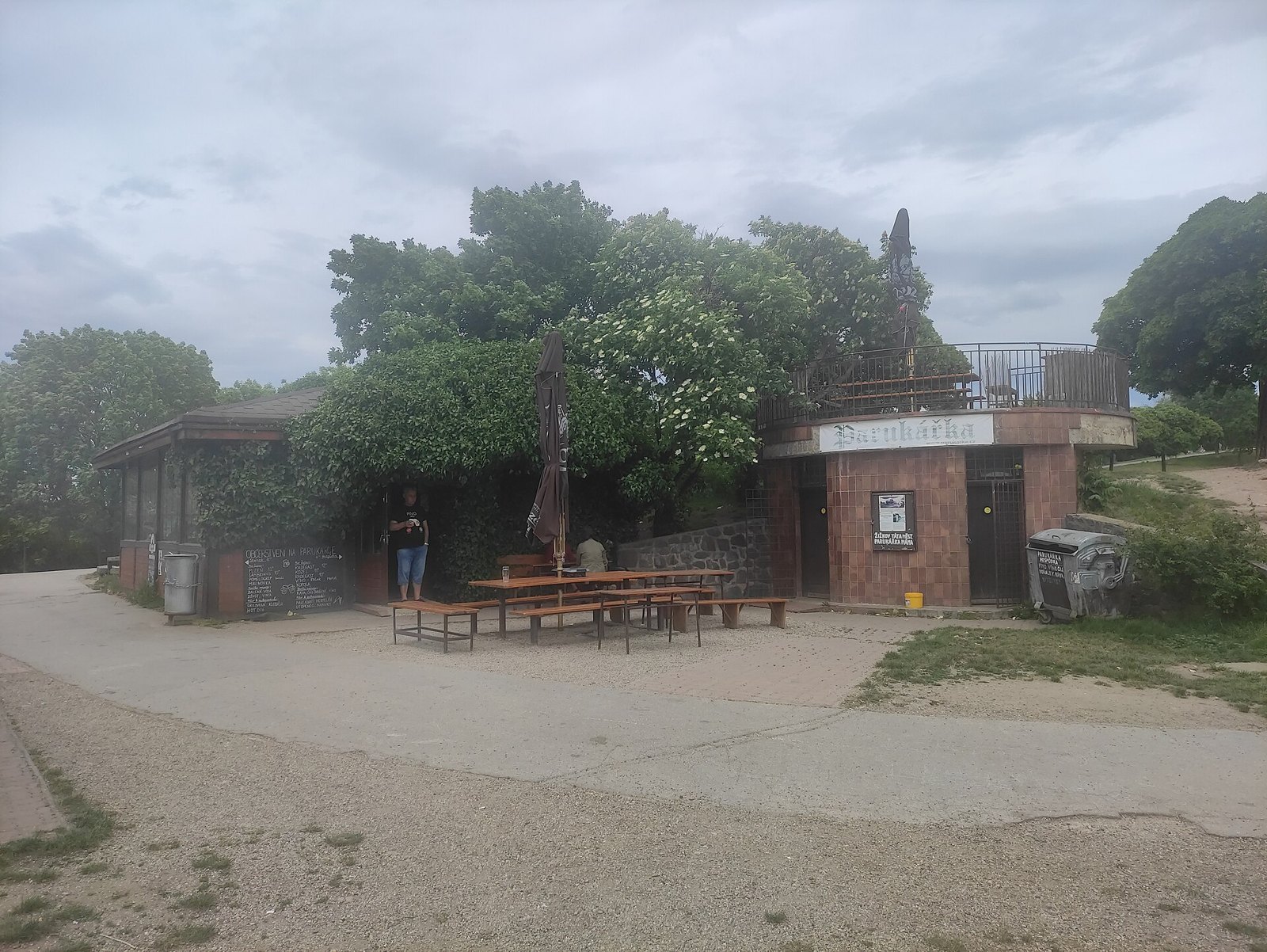
Featured image: Photo by Fry72 (Karel Frydrýšek), source, CC BY-SA 4.0
