Czechia drinks more beer per head than any country on earth, and Prague is where that is most visible. Almost everything written about it for visitors is atmosphere. This is the practical version.
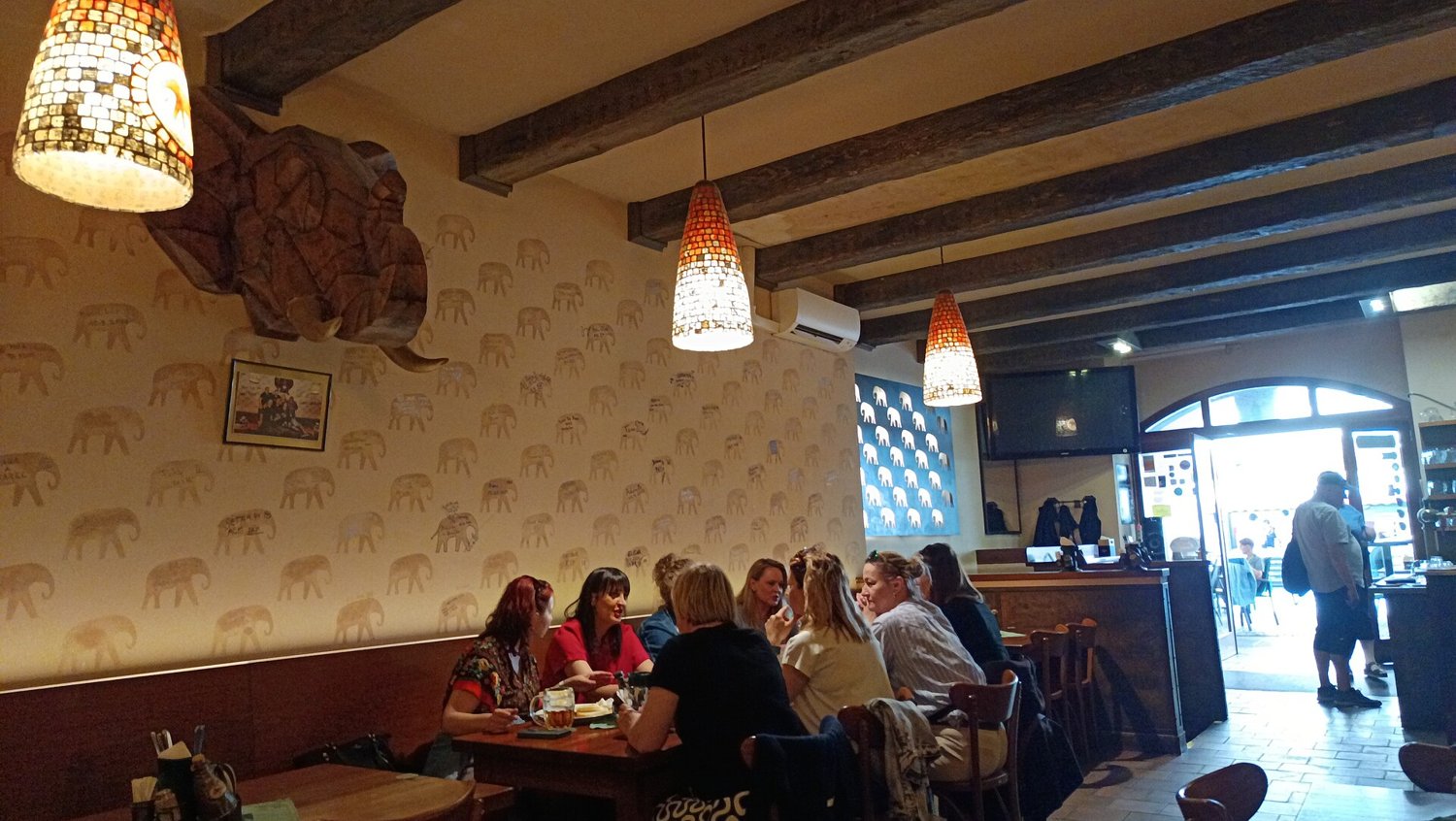

Degrees are not strength
The 10° and 12° on a Czech menu describe the wort — roughly “lighter” and “fuller” — not the alcohol content. A desítka (10°) is the everyday drink and usually the cheapest thing listed. Ordering one is not ordering a weak beer; it is ordering what most of the room is drinking.
Tank beer
Tankové pivo is unpasteurised beer delivered by tanker and kept in a cellar tank rather than a keg. Pubs advertise it prominently because it genuinely tastes different, and it is one of the few things in central Prague where the tourist-facing option is also the good one.
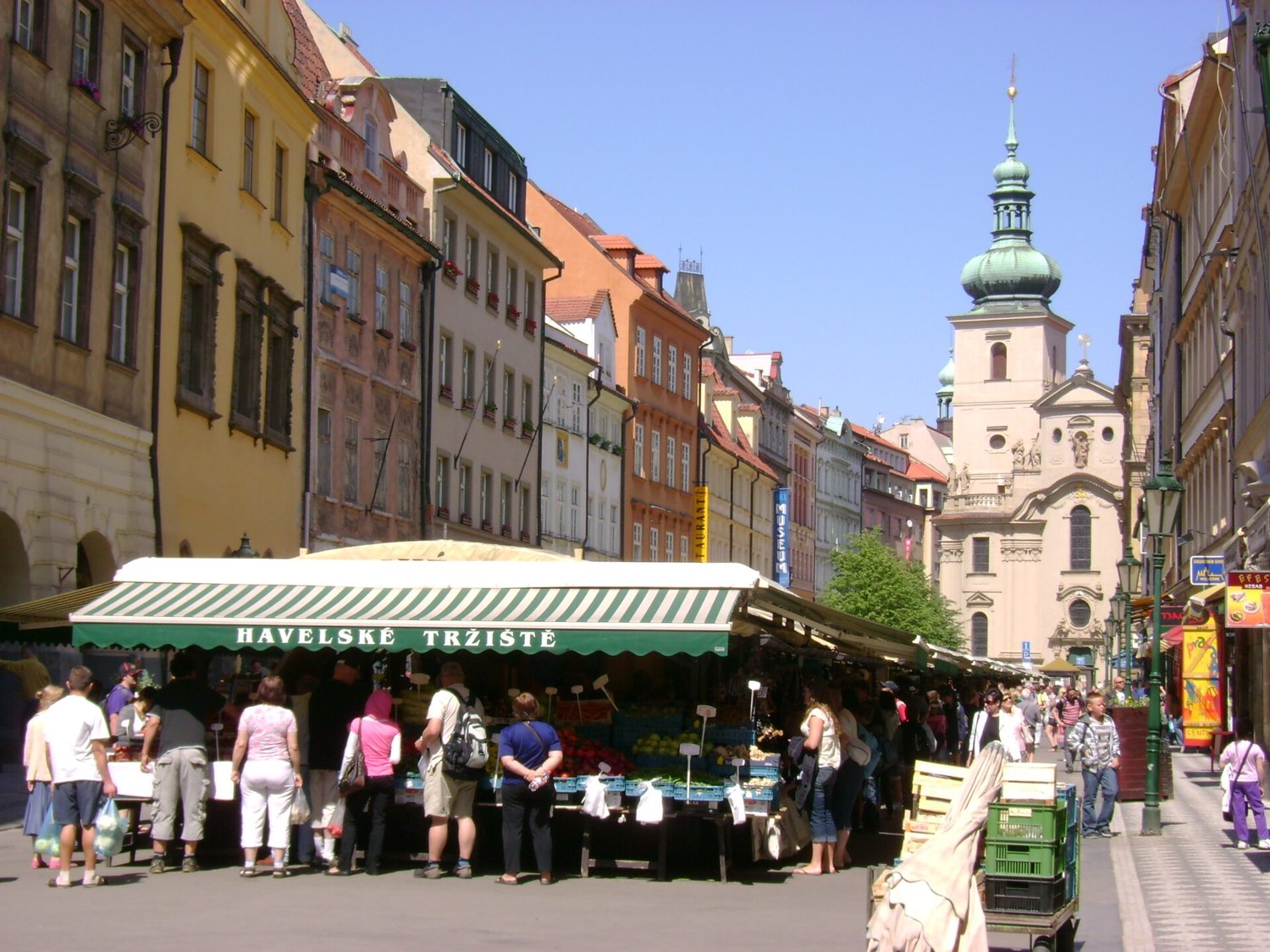

How a hospoda works
You sit down, and a waiter brings beer and marks a paper tab on your table. Everything is written on it. You do not pay at the bar, you do not lose the slip, and you pay the waiter when you ask. Sharing a table with strangers is normal.
The head matters: a Czech pour arrives with a thick foam cap and is meant to. Anything brought unasked — bread, nuts — is usually charged for, and declining it is entirely normal.
What it should cost
Price tracks distance from Charles Bridge more reliably than quality does. One tram stop out of the centre changes the bill noticeably for the same beer. We publish what a glass actually costs by area, with the date checked, rather than a single figure that goes stale.
Where to go next
- Beer & Pubs — ordering, styles, prices
- Food & Drink — the tab, tipping, what is charged for
- Neighbourhoods — where the cheaper pubs are
Checked 4 September 2026. Prices vary by district and change; treat any figure as a guide.