

It seems we can’t find what you’re looking for. Perhaps searching can help.
Beer & Pubs
Czechia drinks more beer per head than any country on earth, and Prague is where that is most visible. What the tank beer is, how ordering works, and what you are actually paying for.
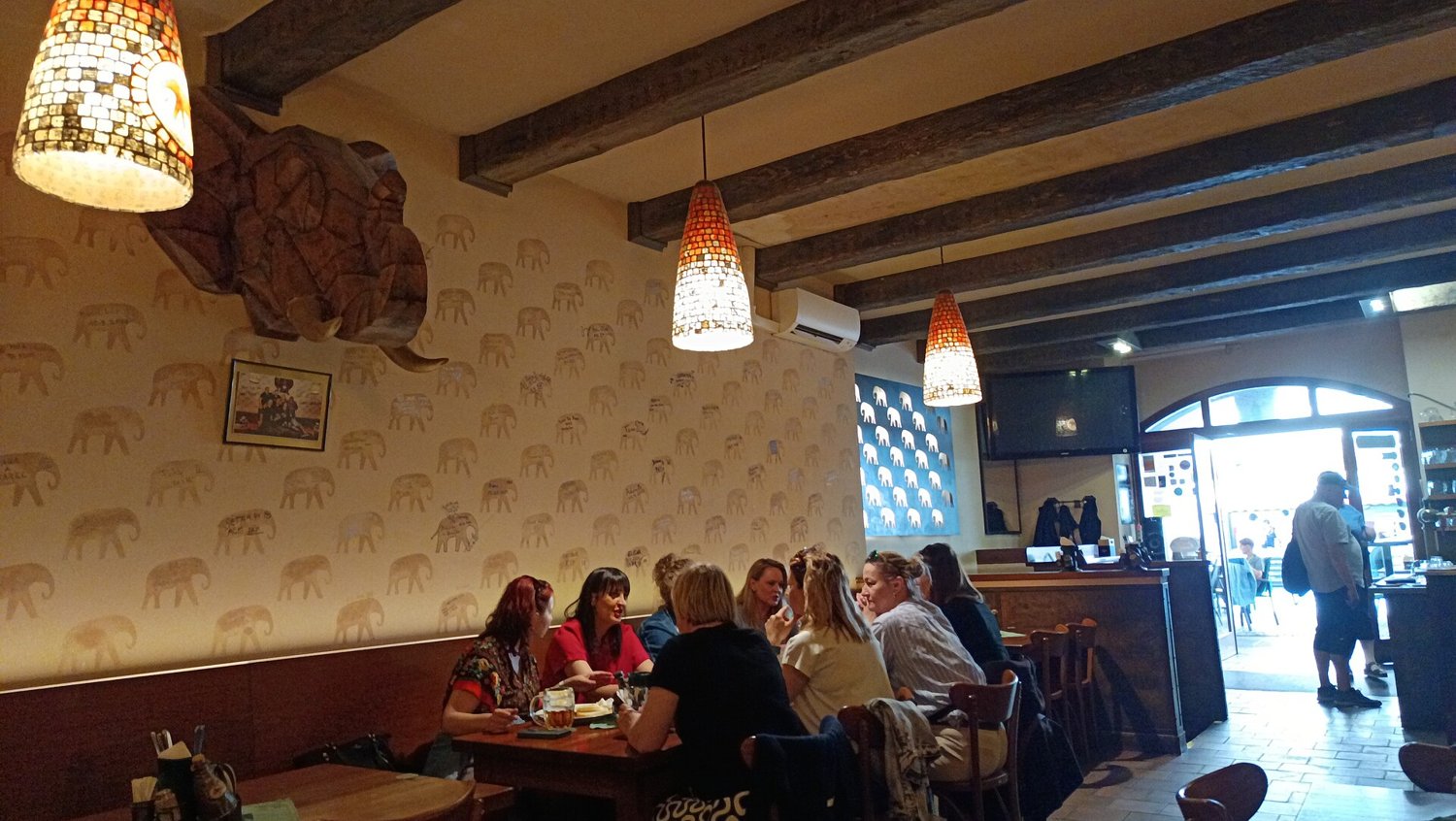
Czechia drinks more beer per head than any country on earth, and Prague is where that is most visible. The practical version is more interesting than the boast.
Beer here is ordered by degrees, not strength — the 10° and 12° on the menu describe the wort, roughly "lighter" and "fuller", not the alcohol. A desítka (10°) is the everyday drink and is usually the cheapest thing on the list.
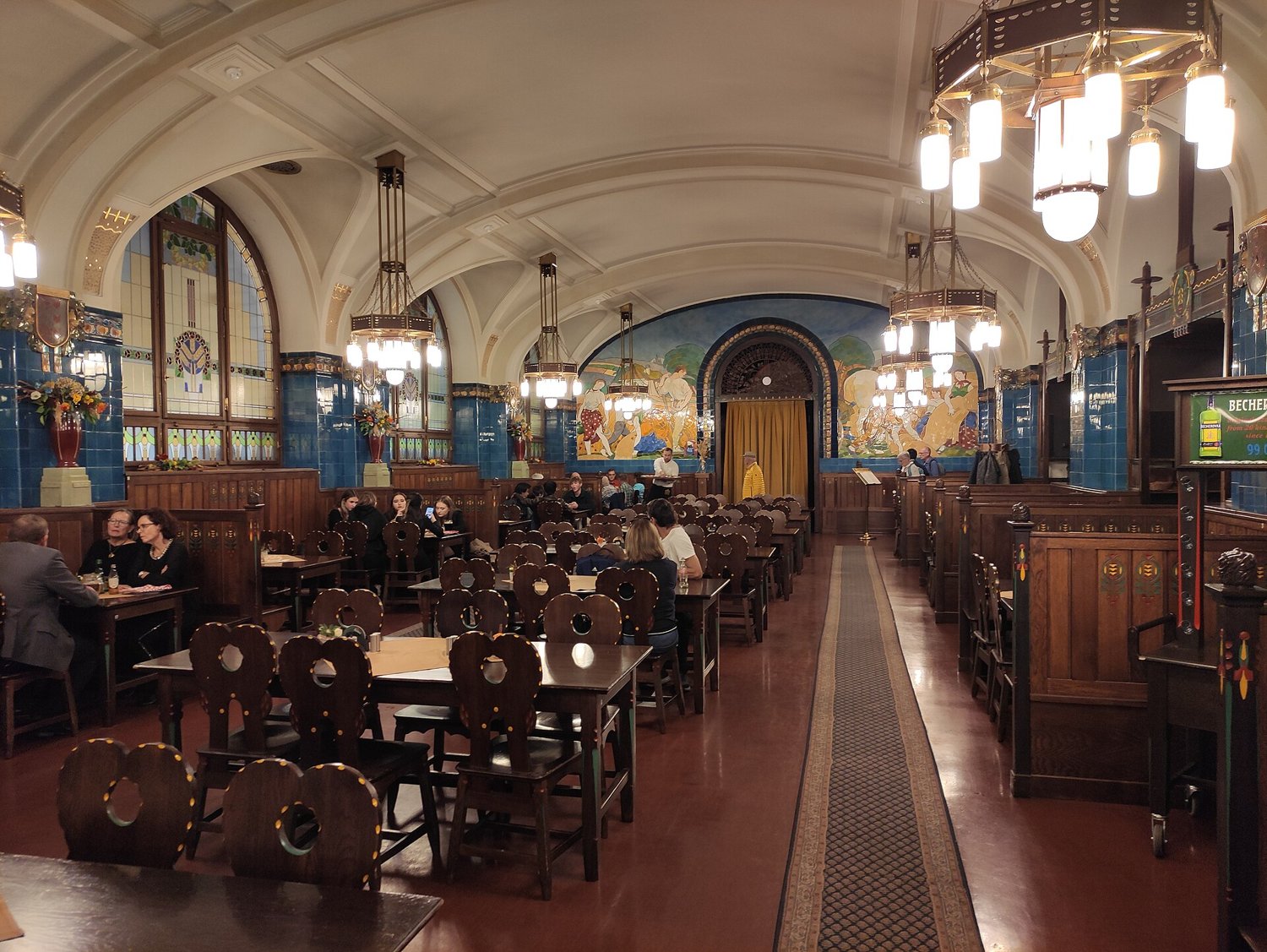
Tank beer (tankové pivo) is unpasteurised beer delivered by tanker and kept in a cellar tank rather than a keg. Pubs advertise it because it is genuinely different, and it is one of the few things in the centre where the tourist-facing option is also the good one.
The head matters: a Czech pour is meant to arrive with a thick foam cap, and asking for it without one marks you out more than any accent will. Articles here cover ordering, what the price should be away from the bridge, and which styles are worth crossing town for.
No articles are published in this section yet. We publish about two a week rather than filling a section in a day.