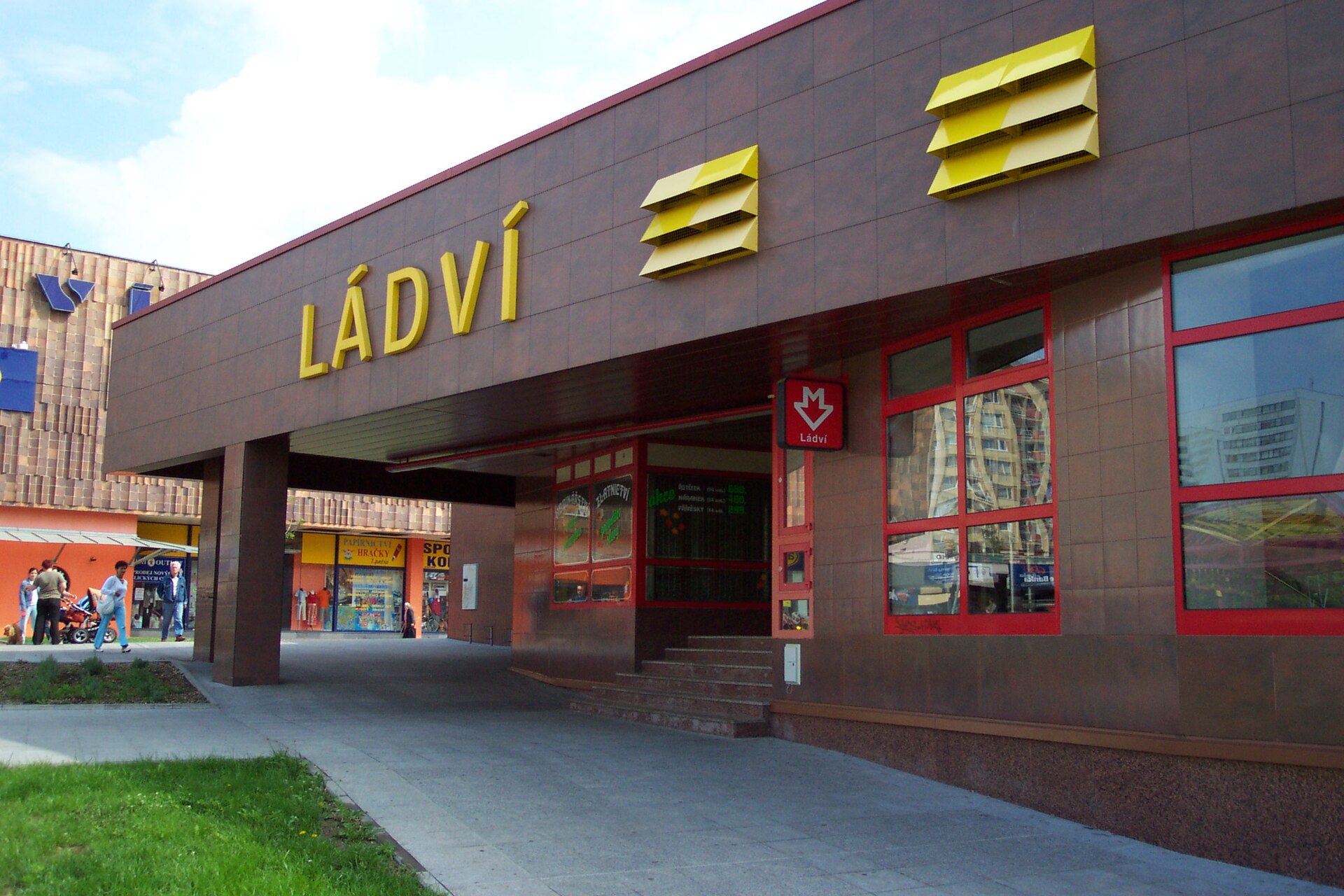
Direct train, about four hours, run jointly by Czech Railways and Deutsche Bahn. A cheaper bus, closer to five, run by RegioJet or FlixBus. Neither number is the real travel time. Add the walk to the station, the boarding cutoff, and the transfer once you land in Berlin, and the actual door-to-door day is often six hours or more.
What are the main ways to travel from Prague to Berlin?
There are three practical options: direct train, long-distance bus, or driving. Flying exists on paper but rarely makes sense for this distance. The train and bus both run several times daily, with the train roughly an hour faster but usually pricier.
- Train: Czech Railways (ČD) and Deutsche Bahn (DB) jointly operate the direct EC service.
- Bus: RegioJet and FlixBus both run multiple daily departures, generally cheaper than rail.
- Car: around four hours of driving, plus fuel, tolls, and parking in central Berlin.
For the Prague side of the journey, how to reach the station itself depends on the city’s public transport card system — covered in detail in how the Prague transport ticket works.
How long does the train actually take, door to door?
The scheduled train time is about four hours, per the operator timetables. But that figure starts and ends at the station door. It ignores getting there, the boarding window, and what happens after the train stops moving.
Here is where the real time actually goes:
| Segment | Typical time | What drives it |
|---|---|---|
| Hotel/apartment to Prague main station (Praha hlavní nádraží) | 15–40 min | Depends on district; tram or metro line, per Prague’s own transport network |
| Recommended arrival before departure | 20–30 min | RegioJet enforces a boarding cutoff for seat allocation on cross-border services; rail operators post platform changes close to departure |
| Scheduled train time, Prague–Berlin | ~4 hours | Per current ČD/DB joint timetable — confirm on Deutsche Bahn’s own site |
| Berlin Hauptbahnhof to Alexanderplatz | 10–15 min | S-Bahn or tram, per Berlin’s transit operator BVG |
| Berlin Hauptbahnhof to hotels near the former Tegel area | 30–45 min | Bus or tram connection; no direct rail line |
Add those together honestly. A trip that looks like four hours on a ticket website becomes five and a half to six hours in practice, once you count the walk out of a Prague apartment and the ride across Berlin to wherever you’re actually staying.

What about the bus — is it actually slower, or just feels that way?
Bus journey times published by RegioJet and FlixBus typically run close to five hours, sometimes more with a stop. That is genuinely slower than the train on paper. But the bus often departs from a stop closer to the city center, which can shrink the Prague-side buffer.
It also tends to drop passengers nearer central Berlin stops than the Hauptbahnhof forecourt, which can shrink the Berlin-side transfer too. The net difference between train and bus is smaller than the timetables suggest. Confirm current stops and durations directly on the RegioJet website or the FlixBus website, since both change seasonally.

So which should you actually book — and which departure?
Here is the rule. If there’s a meeting, a flight, or anything fixed before noon in Berlin, take the early morning train — not the cheapest midday bus.
The reasoning is simple. The morning train has schedule padding built in from decades of timetabling. A midday bus, chosen purely on price, leaves no slack for a late boarding call, road traffic near Berlin, or a longer-than-expected walk to a Mitte hotel.
A bus departing at noon, arriving around five, with a 30-minute transfer to a hotel, can put you at check-in close to 6pm. That’s fine for an evening arrival. It is not fine if something is scheduled for breakfast the next morning and you wanted an evening to settle in first.
The same logic applies in reverse for day-trip-style thinking, discussed for a shorter route in Prague to Dresden: is a day trip actually worth it? — the buffers scale with distance, but the principle is identical.
What happens once you arrive in Berlin?
Both train and bus from Prague typically terminate near central Berlin: the train at Berlin Hauptbahnhof, buses usually at a central coach stop. From there, Berlin’s own S-Bahn, U-Bahn, and tram network — operated by BVG — covers the rest of the city.
A connection to Alexanderplatz is quick, often under 15 minutes. A connection to hotels in the former Tegel area, well northwest of the center, takes meaningfully longer — budget closer to 45 minutes once you include the walk at the far end.
This is the part most comparison articles skip entirely. The train “arrives in Berlin.” It does not arrive at the hotel.

Is driving or flying worth considering instead?
Driving takes about four hours as well, matching the train, but adds fuel, tolls on the German Autobahn network, and the cost and hassle of parking once inside Berlin. For a solo traveler or a couple, it rarely beats the train on total cost or convenience.
Flying exists between Prague and Berlin but is slower door-to-door than either the train or the bus, once airport transfers and check-in windows are added at both ends. For this specific city pair, it is not generally the practical choice.
For readers comparing this route against other cross-border rail trips from Prague, the fare structure and timing trade-offs are similar to those explained in Prague to Vienna by train: routes, times, and fare tiers.
What should a first-time visitor actually plan for?
Build the day around the real total, not the ticket time. Four hours of train becomes most of a working day once Prague transit, the boarding buffer, and the Berlin-side transfer are added honestly.
Anyone new to navigating Prague’s own transit system before even reaching the station should start with the first-time guide to Prague’s airport, tickets, and currency, and the broader practicalities — tickets, money, timing — are covered in the Prague practical information hub.
More cross-border routes and comparisons are tracked in the site’s Getting Around archive and Day Trips archive, both updated as operators adjust schedules.

Access Prague is an independent guide written from published, checkable sources. We have not visited the places described here and we do not publish personal recommendations or invented ‘local favorites’ — where something is singled out as notable, we say who says so. Opening times, fares, closures and prices change at short notice, so treat everything here as a starting point and confirm with the museum, operator or venue directly before building a day around it. We give no advice on visas, insurance, health or safety; use your own government’s official guidance for those.
Featured image: Photo by I would appreciate being notified if you use my work outside Wikimedia. More of , source, CC BY-SA 3.0
