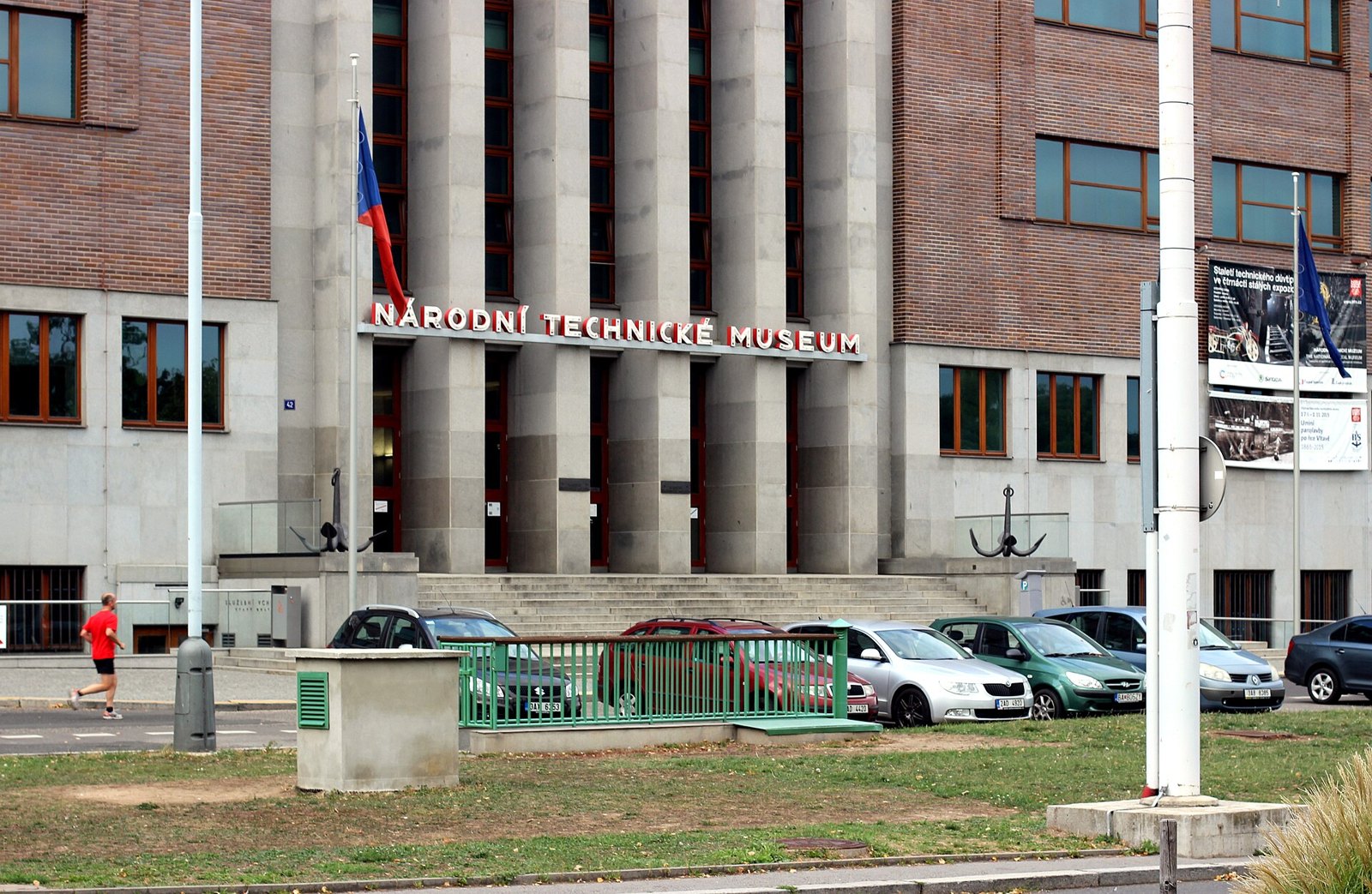
Several Prague museums offer free entry to their permanent collections, on a recurring schedule set by each institution. There is no single citywide free day. The catch: “free” almost always excludes the temporary exhibition in the same building. And some free slots require a timed ticket, booked online well ahead — walk-ins get turned away at the door even though the museum is, technically, free that day.
Which Prague museums offer free entry, and how is “free” defined?
Three state or city-run institutions account for most of the free-entry patterns visitors encounter: the National Gallery Prague (Národní galerie Praha), the National Museum (Národní muzeum), and the City of Prague Museum (Muzeum hlavního města Prahy). Each publishes its own rule. None of them coordinate with the others.
“Free” in every case means the permanent collection only. It does not mean the building. A single museum can run a ticketed blockbuster show downstairs while the permanent galleries upstairs are free that same afternoon.
The National Gallery Prague administers several separate sites across the city, including the Trade Fair Palace (Veletržní palác), which holds its collection of 20th- and 21st-century art. Free-entry rules can differ by site, not just by date. Confirm which building a scheme actually covers before traveling across town for it.
Why free entry almost never includes the exhibition you actually want to see
This is the detail that catches people at the desk. A museum’s free day, free hour, or free age-band applies to what curators call the permanent exhibition — the standing collection the institution owns and displays year-round.
Temporary and touring shows are priced separately. Always. A major loan exhibition, the kind with its own marketing campaign and a name in lights outside, is the museum’s main revenue draw. It is rarely included in any free scheme, at any Czech state institution.
So a visitor can walk in on the advertised free day, see the permanent galleries at no cost, and still be asked to buy a separate ticket for the special exhibition one floor up. That is not a loophole. It is how the pricing is built.
The practical fix is simple: check, before the visit, whether the thing the reader actually wants to see is permanent or temporary. The museum’s own site will usually say so, often in a line easy to skim past.
The National Gallery’s under-26 Wednesday scheme — and the timed-ticket trap
The National Gallery Prague has, at different points, run a reduced or free-entry window on Wednesday afternoons for visitors under 26, publicized on its own site. The scheme’s existence, hours, and age cutoff change. Treat any specific detail here as something to verify, not something to plan around blind.
The trap is not the free price. It is the booking system attached to it.
Several of these free or reduced slots are only available through a pre-booked, timed online reservation — not a ticket bought at the counter on arrival. Because the slot is free, demand for it is high, and the allocation for a given afternoon can fill up days in advance.
A visitor who shows up without a reservation, expecting a free walk-in because “it’s free on Wednesdays,” can be turned away. The museum is, in a narrow technical sense, telling the truth: entry that day is free. It just isn’t available to someone who didn’t reserve it.
This is worth repeating in plain terms, because it is the single most common complaint about these schemes:
- Free does not mean uncapped. A timed slot has a fixed number of places.
- Booking usually opens online, days or weeks ahead, through the gallery’s own reservation system.
- Age-restricted free entry (under 26, for example) typically requires ID at the door, even with a booking confirmed.
- The scheme can be suspended or changed without much notice — check the current page, not a screenshot from a blog.
Confirm the current scheme, the age cutoff, and the booking window on the National Gallery Prague’s own site, ngprague.cz, before building a day around it.


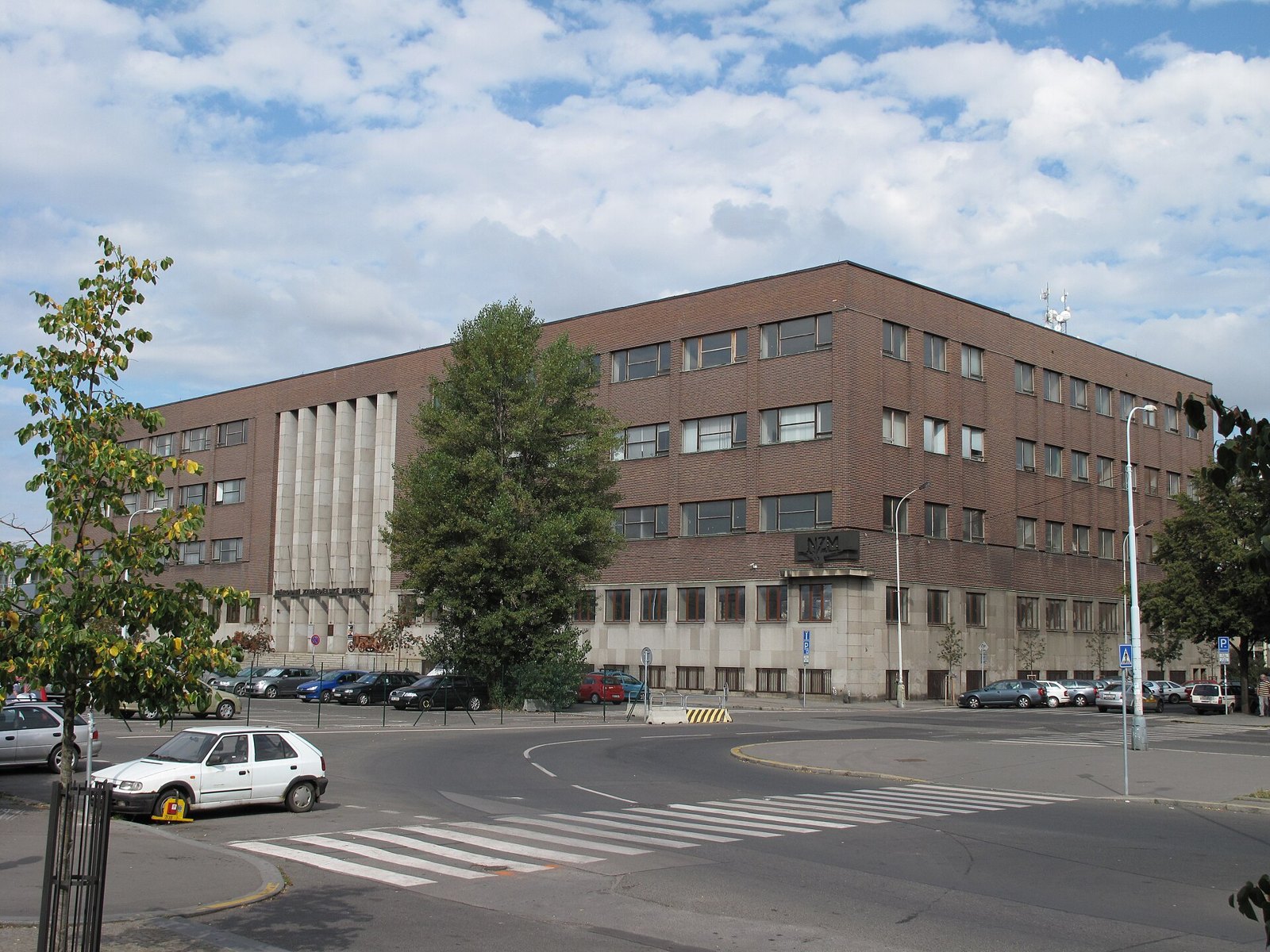

Who else gets in free, regardless of the day?
Separate from any scheduled free day, Czech state-run museums typically carry a set of standing exemptions. These are published on each museum’s own price list, and they don’t depend on the calendar at all.
Common categories, across most state and city institutions, include:
- Young children, usually under a set age — the cutoff is typically six, but this varies by museum and should be checked, not assumed.
- Holders of an ICOM (International Council of Museums) card.
- Accredited journalists with valid press identification.
- Visitors with a recognized disability, often with a companion also admitted free.
- Tour guides accompanying a paying group, in some institutions.
None of these require a special day. They apply year-round, at the counter, on production of the right document. The museum’s printed price list — usually posted at the ticket desk and online — sets out exactly which categories qualify and what proof is needed. That list is the thing to check, not a secondhand summary.
One structural point worth knowing: the Jewish Museum in Prague (Židovské muzeum v Praze) is administered by the Jewish Community of Prague, not by the state or the city. It runs on a different funding model from the National Gallery or National Museum. Free-day schemes of the kind described above are largely absent there; its sites are usually sold as a single combined ticket instead. That is a structural difference, not an oversight.
Museum Night: the one evening when the pattern is citywide
Each year, typically in late spring or early summer, a number of Prague museums take part in a Museum Night (Muzejní noc) — participating institutions open late, often with free or reduced entry after dark. The exact date moves from year to year, and so does the list of participants.
This is a pattern, not a fixed listing. The organizing bodies — Prague City Tourism and the participating museums themselves — publish the confirmed date and the final list of venues closer to the event. A date printed in an article from a previous year is not reliable for the current one.
Treat Museum Night as a seasonal fact about how Prague’s museums behave, not as a bookable date. Check Prague City Tourism’s own site, prague.eu, for that year’s confirmed participants and hours before planning an evening around it.
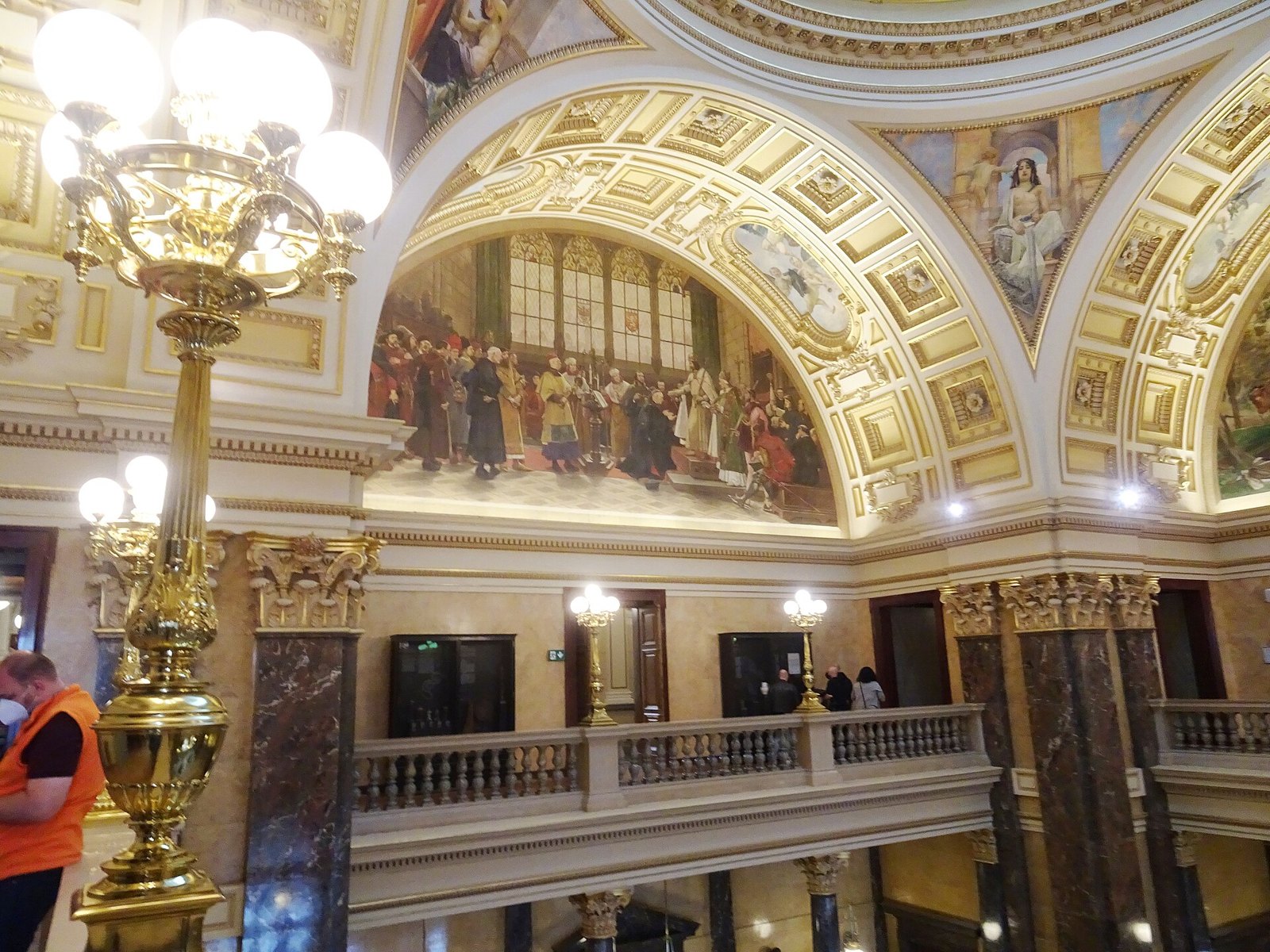

A quick-reference table: what “free” covers, and what it doesn’t
The specifics differ by museum. The shape of the exception, however, repeats almost everywhere. This table summarizes the pattern — not any one institution’s current schedule.
| What a “free” slot usually covers | What it usually does NOT cover |
|---|---|
| The permanent collection in the main building | Temporary or touring exhibitions, even in the same building |
| A specific age band (e.g., under 26, or under 6) with ID | Group bookings, school visits, or audio guides — often priced separately |
| A specific day-part (e.g., a Wednesday afternoon window) | Walk-ins outside that window, or after a booked slot is full |
| Standing exemptions (ICOM, press, disability) — valid any day | Photography permits, which several museums still charge for separately |
Short version: free entry is real, but it is narrower than it sounds on a poster.
How to actually use a free slot without wasting a day
A free museum day is only useful if the reader can get in. A short sequence avoids the two most common failures — arriving for an exhibition that isn’t covered, or arriving for a slot that’s already full.
- Check whether the specific exhibition wanted is permanent or temporary, on the museum’s own site.
- If a free slot requires booking, reserve it as early as the system allows — not the morning of.
- Bring ID if the free entry is age-restricted; many Czech institutions check it at the door.
- Have a fallback plan for that afternoon in case the slot is full — Prague has enough museums that a backup is rarely far away, a point covered in the broader guide to Prague’s landmarks and museums.
Travelers building a short visit around free museum time should also weigh it against the rest of the day’s logistics — transport, opening hours, and what else is realistically open. The site’s practical planning hub covers tickets, money, and the citywide crowd calendar in one place, and the one-day itinerary guide addresses how much a single day can actually hold.
Because Czech museums skew toward closing on Mondays, a free Wednesday or weekend slot often collides with the busiest part of the week. Readers planning around a Sunday specifically should check what is actually open in Prague on a Sunday, since hours shift further on that day across the city.
Getting to a museum on the far side of the city for a narrow free window also depends on the transport card working the way the reader expects it to — covered in detail in the explainer on how the Prague transport ticket works, and why it’s timed.
Where to check before you go
Every figure and every scheme in this article is the kind of detail that changes without much warning. None of it should be taken as current without a direct check.
The reliable sources are the institutions themselves:
- National Gallery Prague — ngprague.cz, for current free-entry schemes, age bands, and booking links.
- National Museum — nm.cz, for its branches’ hours, pricing, and exemption categories.
- Prague City Tourism — prague.eu, for Museum Night and citywide cultural dates.
First-time visitors assembling a wider Prague plan may also find it useful to start from the first-time-in-Prague hub, which covers the airport, the ticket system, and the currency before getting into specific sights. And anyone weighing a multi-day sightseeing pass against paying museum-by-museum should read the separate analysis of whether the Prague Visitor Pass is worth it, since free museum slots change that math considerably.
None of this is complicated once the structure is clear. Free applies to the permanent collection. It rarely applies to the special show. And where the free slot is timed, the booking — not the ticket price — is the thing to get right first.
Access Prague is an independent guide written from published, checkable sources. We have not visited the places described here and we do not publish personal recommendations or invented ‘local favorites’ — where something is singled out as notable, we say who says so. Opening times, fares, closures and prices change at short notice, so treat everything here as a starting point and confirm with the museum, operator or venue directly before building a day around it. We give no advice on visas, insurance, health or safety; use your own government’s official guidance for those.
Featured image: Photo by Hilarmont, source, CC BY-SA 3.0 de
